
Luxury once proved itself through volume. More courses at dinner. More amenities in rooms. More staff attending to fewer guests. The assumption held that refinement required visible excess, that great comfort demanded waste as evidence of quality. This thinking has aged poorly.
Today’s discerning traveller understands that the most exceptional experiences emerge from properties demonstrating environmental intelligence as naturally as they demonstrate aesthetic sophistication. Eco-friendly hotel stays in France need not announce their credentials. At ONE Hôtel Privé, sustainability integrates into operations because the properties were designed that way from conception.
Architecture That Understands Its Setting
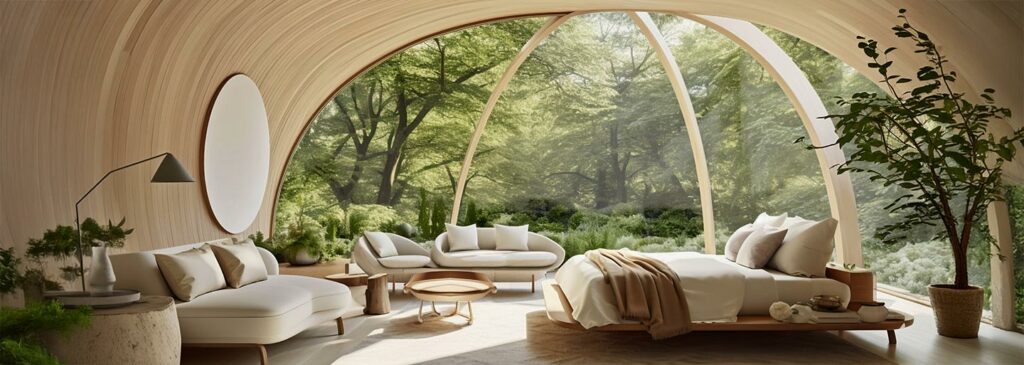
Le Coquelicot and Le Blanchot sit within their Alpine landscape rather than imposing upon it. The positioning captures winter light’s low angle, reducing dependence on artificial illumination. Construction materials possess thermal mass that moderates temperature swings, lessening heating demands. Windows present views worth preserving, reminding you why these mountains merit protection.
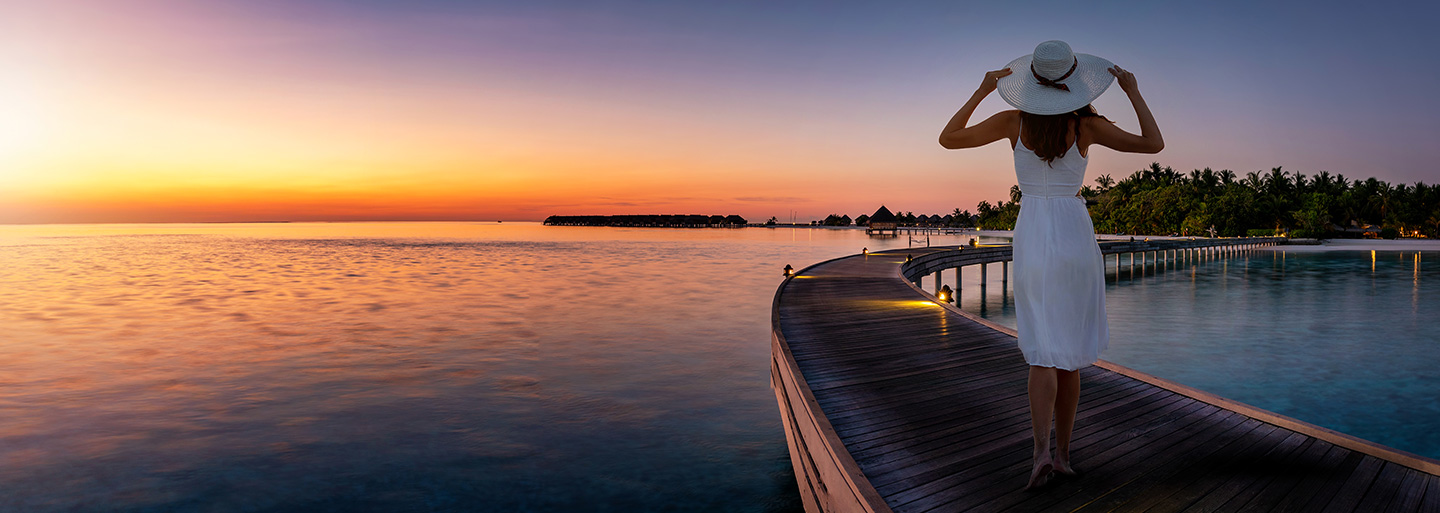
Water’s Edge and La Gabbia translate these principles into coastal language. The coastal setting permits what Alpine properties cannot: genuine fluidity between indoors and out. You follow the sun and shade throughout the day. The architecture simply allows it, reducing energy demands through designs that accommodate natural patterns. Gardens planted with native species require minimal irrigation whilst supporting local ecology. These weren’t afterthoughts. They informed design from initial drawings.
Operations That Happen Backstage
Climate control responds to actual occupation rather than running perpetually. Lighting incorporates sensors that dim or extinguish in vacant spaces. Water flows with satisfying pressure yet conserves through fixtures engineered for efficiency. Waste separates itself in areas guests never see, organic matter diverted to composting programmes requiring no participation from you.
Kitchens source from nearby producers when seasonality and quality align, reducing transport whilst supporting regional agriculture. Menus evolve with what each month offers rather than forcing year-round consistency requiring imports. This approach yields ingredients at peak alongside reduced environmental impact.
Cleaning products throughout meet rigorous environmental standards whilst maintaining effectiveness. Linens preserve quality through processes minimising water and chemical use. These operational choices compound into meaningful reduction without guests encountering any diminishment.
The Efficiency of Exclusive Occupancy
Private accommodation possesses inherent advantages. Traditional hotels generate enormous waste through structural necessity. Individual toiletries are replaced daily. Towels laundered whether used or not. Disposable serviceware for room service. Standardised portions generating plate waste.
Private properties eliminate much of this simply through their nature. Your chef prepares portions suited to observed appetite. Housekeeping replenishes amenities according to actual depletion. Exclusive occupancy means resources calibrated to genuine use rather than theoretical maximum capacity.
This precision doesn’t read as restraint. You simply don’t encounter the surplus characterising conventional luxury. What serves you appears. What doesn’t serve you doesn’t accumulate unnecessarily.
Integration That Benefits Place
Sustainability extends beyond environmental considerations into economic dimensions. Tourism that extracts value whilst contributing minimally fails sustainability, however impeccable its ecological practices.
ONE Hôtel Privé properties employ local staff and purchase from regional suppliers. The concierge connects you with authentic experiences rather than performances staged for visitors. Recommended restaurants earn suggestions through excellence rather than commercial arrangement. With their imported workforce and distant procurement system, centralised hotel chains cannot structurally contribute to the surrounding economy.
What Refinement Now Means
The supposed tension between comfort and environmental consciousness dissolves when properties are properly conceived. You needn’t sacrifice luxury for sustainability. You experience luxury comprehending sustainability as a fundamental attribute rather than supplementary feature.
An eco-friendly hotel in France offers experiences surpassing conventional alternatives precisely because it considers dimensions those alternatives ignore.
ONE Hôtel Privé’s properties demonstrate this on a daily basis, though they’d never phrase it quite so plainly. The evidence exists not in proclamation but in how these spaces function, how they feel, how they relate to their settings. Visit the website to explore properties where luxury and sustainability exist not as competing priorities but as integrated realities.



 English
  Spanish
  French
  German
  Portuguese
  Russian